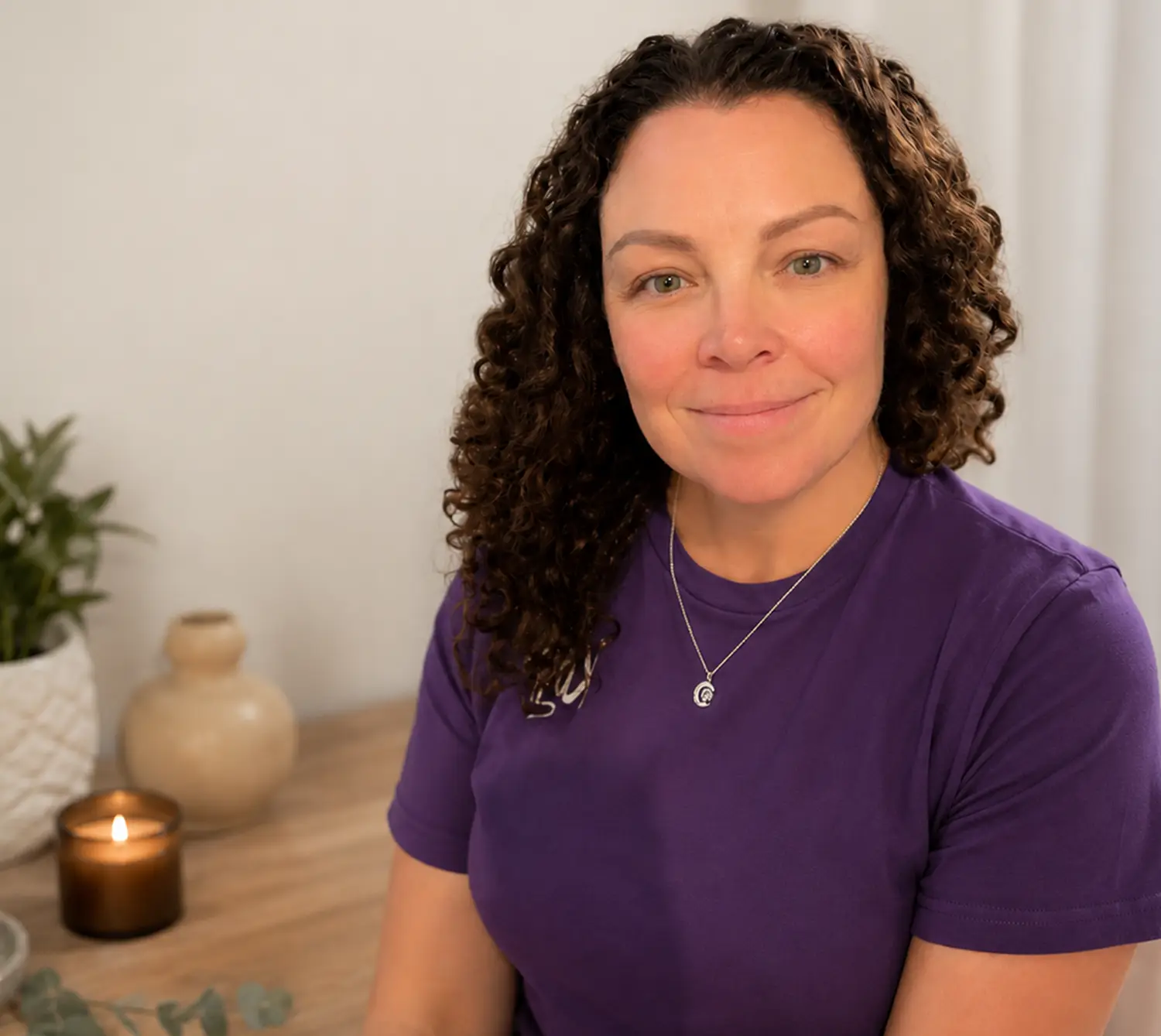
Hayley Simpson, founder of Kora Wellness and your referral contact

Bring breathwork into the support you offer.

Explore client referrals, sessions within your program, staff wellbeing or a community event. Begin with your audience and purpose, then we can agree a format together.

Partnership and referral options

When you refer someone, you want to know their care will continue with respect for the relationship you’ve built. You’ll work directly with me to discuss their needs and how breathwork could sit alongside your support.

We’ll agree the format, practical details and communication together, with room for your questions before making an introduction.

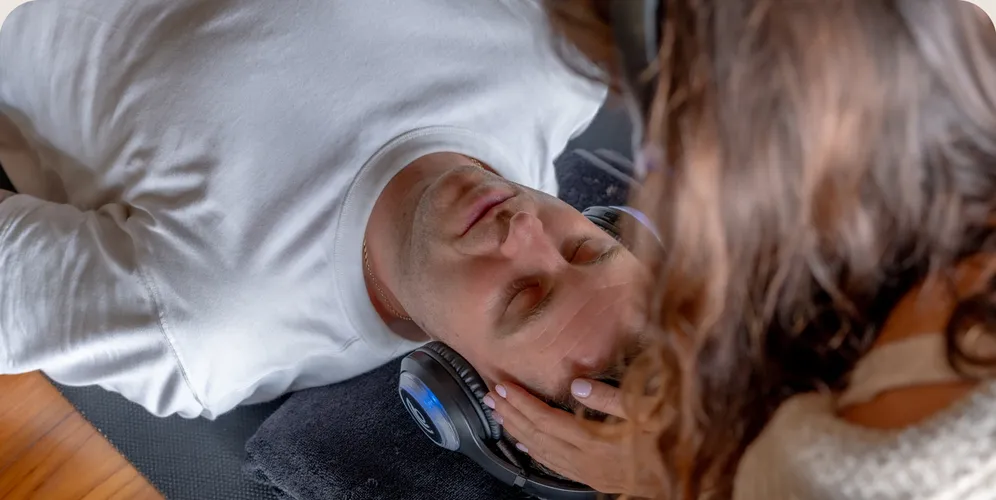
Hayley supporting a participant wearing breathwork headphones

Client referrals

Introduce clients to private breathwork alongside their existing care, with a direct conversation about suitability before booking. Discuss available referral rates and agree session feedback with the client’s written consent.

See the referral steps
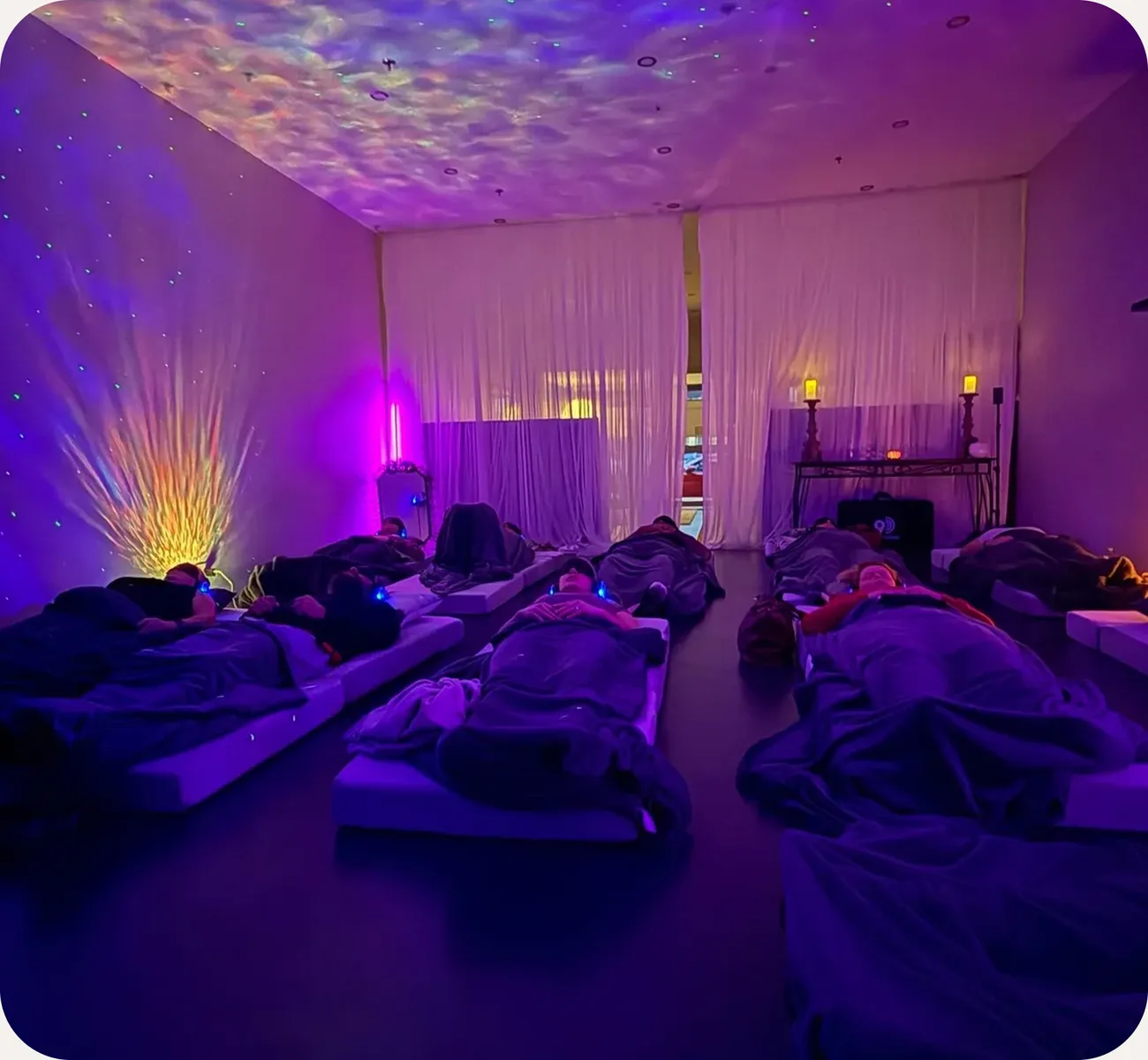

Participants resting during a session at the Kora studio

On-site sessions

Explore breathwork within a day program, therapy group or recovery service, at your venue or the Kora studio. We can agree a 45, 60 or 90-minute format around the group’s needs.

Discuss your program
Hayley taking part in practitioner training

Staff wellbeing

Give clinical and support staff dedicated time for guided breathing and attention to their own wellbeing. One-off or recurring sessions can fit around your team, with voluntary participation.

Plan a team session
Participants connecting at an outdoor gathering

Community programs

Explore a community breathwork event or workshop on nervous system regulation for a defined group. We’ll plan the format, screening and venue around your audience, including recovery, women’s and youth groups.

Discuss a community session

Contraindications and referral suitability

Knowing your client’s history helps me understand what support they may need and whether breathwork is appropriate for them. The criteria below relate to activating sessions, which use continuous circular mouth breathing and require particular care when considering physical and mental health.

Downregulating sessions use gentler nasal breathing; I’ll talk with you and your client about suitability before a booking is made, with advice from their treating medical professional where needed.

Not suitable for activating sessions

  • Cardiovascular disease, arrhythmia, angina, or a history of heart attack or stroke
  • Epilepsy or a history of seizures
  • Active psychosis or schizophrenia
  • Bipolar disorder
  • Personal or close family history of aneurysm
  • Pregnancy
  • Recent surgery or significant injury
  • Glaucoma or retinal detachment
  • Active crisis

Discuss before referring

  • Panic disorder
  • Borderline personality disorder
  • Dissociative disorders or significant dissociation history
  • Very recent trauma
  • PTSD, including pacing and support needs
  • Asthma or managed respiratory conditions
  • Osteoporosis or significant bone density concerns
  • Hyperthyroidism or Graves’ disease
  • Medication affecting blood pressure, heart rate or mental health

Making a referral: what to expect.

A phone call or email is enough to begin. No formal referral paperwork is needed for the first conversation, and your client can contact me directly.

  1. 01

    Start a conversation

    Discuss the client’s goals, current support and any questions about the format. Agree what information is needed and how to share it with consent.

  2. 02

    Introduce your client

    With their agreement, share my contact details. A private booking is arranged directly after an intake conversation about suitability, availability and price.

  3. 03

    Session and reflection

    The client attends the agreed session with preparation, guided breathwork and time afterwards. They are encouraged to bring relevant observations back into therapy.

  4. 04

    Keep in touch

    With written consent, agree brief session feedback and how often to communicate. Your therapeutic relationship remains the place for ongoing interpretation and care.

How is the breathing format chosen?

I discuss your client’s preferences, current support and screening information before confirming a format. Downregulating sessions use nasal breathing with a focus on regulation. Activating sessions use continuous circular mouth breathing and can involve stronger physical sensations and emotional experiences.

The choice is made individually, with treating-professional advice where needed. An exclusion from activating breathwork does not automatically make a gentler session suitable.

Stay connected to your client’s care.

The relationship your client has with you continues beyond their breathwork session. They may notice feelings, memories or physical sensations they want to explore in therapy, and I encourage them to bring those observations back to you. With their permission, you can stay in touch about the experience and the support that follows.

Begin with a shared understanding

Before a session, we can discuss your client’s goals, preferences and current support. Together, we’ll clarify the proposed format, intake requirements and practical details, including location, session length and cost.

Agree what your client wants shared

Your client’s written consent guides any communication between us. We can agree what feedback would be useful, how it will be shared and how often you’d like to stay in touch, so your client knows what to expect.

Bring the experience back into therapy

I can share brief session observations within that agreement, while your client can choose what they want to discuss or explore with you. You continue to guide therapeutic interpretation and treatment, with breathwork sitting alongside the care you provide.

I’d love to hear about your practice and the people you support. Email me to arrange a chat about how we could work together. There’s no need to send client records; we can talk through consent and a secure way to share any information we need.

Let’s talk about a referral
Hayley Simpson, Kora Wellness founder and breathwork facilitator

Meet your referral partner.

Certified 9D Breathwork FacilitatorMaster NLP PractitionerQualified in hypnosis

I built Kora after my own experience with anxiety and disconnection led me to breathwork. I know how much it matters to feel supported when trying something unfamiliar, and that shapes how I welcome the people you refer.

I’m based in Port Kembla and work with a trauma-aware approach. I’m available to talk through the experience before you make an introduction, and to agree how we communicate with your client’s permission.

Read my story

Ready to have a conversation?

There’s no pressure to make a referral. Start with an honest conversation about your client or practice, ask questions and get to know how I work. Email your name, organisation and a suitable time to talk, or call directly.